
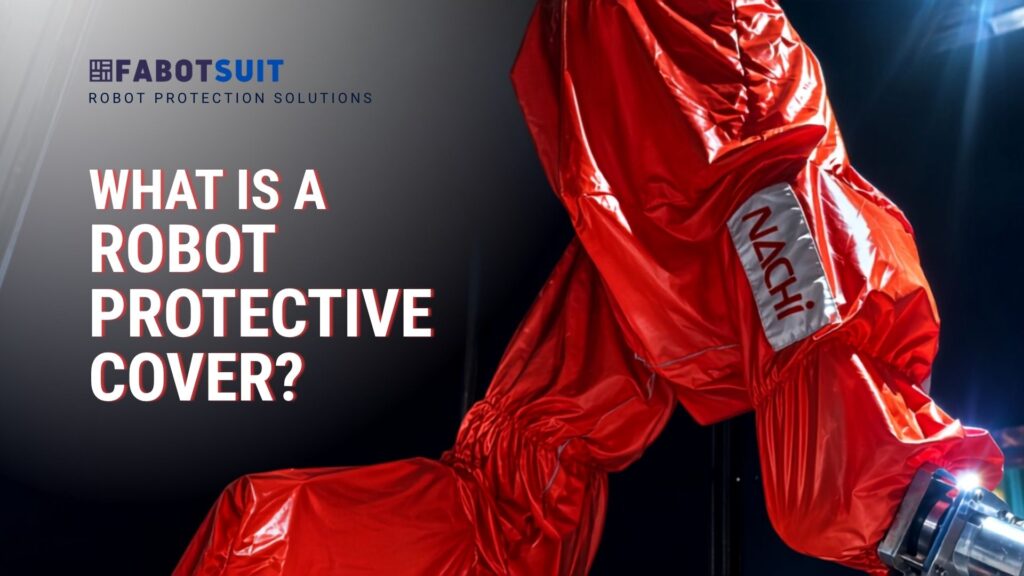
What Is a Robot Protective Cover? A Guide to Industrial Robot Protection
Industrial robots operate across a wide range of manufacturing processes, including welding, painting, foundry operations, CNC machining, material handling, food processing, electronics manufacturing, and automated assembly.
Although industrial robots are designed for factory environments, each robot model has specific environmental limitations. These may include its protection rating, allowable operating temperature, resistance to water, dust, chemicals, oil, coolant, paint, and other process contaminants.
A robot protective cover provides an additional layer of protection when the operating environment is more demanding than the robot’s standard configuration was designed to handle.
What Is a Robot Protective Cover?
A robot protective cover is an external protection system designed to help shield an industrial robot, its joints, cables, connectors, sensors, and other critical components from contaminants and process hazards.
These may include:
- Dust and fine particles
- Water and water mist
- Oil and machine coolant
- Chemicals and cleaning agents
- Paint and coating overspray
- Welding spatter and sparks
- Radiant heat
- Metal chips and abrasive particles
A properly engineered robot cover should not be treated as a simple piece of fabric wrapped around a robot. It is a robot protection solution that must be designed around the robot’s actual motion, cable routing, tooling, and production environment.
How Is a Robot Protective Cover Different from a Standard Cover?
A standard cover may protect stationary equipment from dust while it is not operating. However, an industrial robot moves continuously across multiple axes and may perform complex, high-speed movements.
A robot protective cover must therefore account for several engineering factors.
1. Robot Motion
Industrial robots rotate and articulate across multiple joints. The cover must accommodate the actual motion range without pulling, twisting, restricting movement, or becoming trapped between moving components.
2. Cable and Hose Routing
Power cables, air lines, dress packs, and tooling connections may run inside or outside the robot arm. The protective cover must avoid compressing, interfering with, or damaging these cables during operation.
3. End-of-Arm Tooling
Grippers, welding torches, cameras, sensors, dispensing equipment, and other tooling can significantly affect the cover design. The cover must be tailored around the actual robot configuration.
4. Operating Environment
Dust, oil, chemicals, paint, water, heat, and welding spatter require different protection strategies. Selecting the right solution should begin with the application risk, not simply with a fabric specification.
5. Installation and Maintenance Access
The cover should allow practical installation, removal, inspection, and maintenance without creating unnecessary downtime for the production team.
Why Do Some Robots Need Additional Protection?
Industrial robots have different levels of environmental protection. For example, the Universal Robots UR10e robot arm is specified with an IP54 classification, while certain robots designed for demanding environments may provide IP65 protection or specialized environmental options.
However, an IP rating does not automatically mean that a robot is resistant to every type of chemical, hot oil, paint overspray, welding spatter, abrasive dust, or process heat.
Robot manufacturers also offer specialized variants for food processing, foundry applications, and other demanding environments, demonstrating that environmental exposure is an important consideration in robot selection and protection.
Before selecting a protective cover, the robot’s original protection rating, operating temperature, contamination type, motion profile, and duty cycle should all be reviewed.
Which Robot Components Can Be Protected?
A properly designed robot protective cover can help reduce direct exposure of contaminants to areas such as:
- Robot arm housing
- Joint interfaces
- Motor and gearbox housings
- Electrical cables and connectors
- Dress packs
- Sensors and vision equipment
- End-of-arm tooling
- Grippers and welding equipment
The purpose is not to make the robot immune to every possible failure. The objective is to reduce direct exposure to environmental hazards that may accelerate wear, increase cleaning requirements, or contribute to maintenance issues.
Where Are Robot Protective Covers Used?
Robot protective covers can be applied across many industrial processes.
Welding
Protective covers can help reduce direct exposure to welding spatter, sparks, metal dust, and radiant heat.
Painting and Coating
They can help prevent paint overspray and coating materials from accumulating on the robot body, joints, cables, and connectors.
CNC Machining
Robot covers can protect against oil, coolant, metal chips, and mist generated during machining operations.
Foundry and Die-Casting
They can help reduce exposure to heat, dust, metal particles, and other contaminants generated by foundry processes.
Food and Pharmaceutical Production
Specialized protection solutions can provide a cleaner and easier-to-maintain barrier between the robot and the production environment. Material and design selection must still be reviewed against the facility’s hygiene and compliance requirements.
Dust-Intensive Processes
Protective covers are also suitable for sanding, blasting, powder handling, ceramics, and other applications where fine particles may accumulate on the robot.
What Is FABOTSUIT®?
FABOTSUIT® is a custom-engineered robot protection solution for industrial robots and collaborative robots.
Each solution is developed around factors such as:
- Robot brand and model
- Actual robot motion
- Cable and hose routing
- Dress packs and mounted accessories
- End-of-arm tooling
- Operating environment
- Ambient and process temperature
- Dust, oil, chemical, paint, or water exposure
- Cleaning and maintenance requirements
This approach goes beyond fabric selection. It considers the complete protective system, including design, fit, motion, installation, maintenance access, and real operating conditions.
Which Robot Models Can FABOTSUIT® Support?
FABOTSUIT® can be custom-designed for a wide range of industrial robot and cobot brands and models because every cover is developed around the robot’s configuration and application.
Information typically required for an initial assessment includes:
- Robot brand and model
- Application
- Photos of the robot and installation area
- Type of contamination
- Operating temperature
- Cable and hose routing
- Mounted accessories
- CAD or STEP files, when available
Conclusion
A robot protective cover is not simply a fabric cover placed over a robot arm. It is part of a broader industrial robot protection strategy.
An effective solution must consider robot motion, cable routing, tooling, environmental exposure, maintenance access, and the limitations of the robot itself.
FABOTSUIT® delivers custom-engineered robot protection solutions built around the robot, the production process, and the real operating environment—helping reduce contamination, simplify maintenance, minimize downtime risk, and support more reliable robot operation.
Need a Protection Solution for Your Robot?
Send the FABOTSUIT® team your robot model, application details, installation photos, and operating conditions for an initial protection assessment.
